Usage and cost
How Much Does It Cost to Charge an Electric Car at Home? (UK Guide)
Charging an electric car at home is usually one of the most affordable and convenient ways to keep your EV running. But how much does it actually cost, and how much will it add to your monthly electricity bill?
By PickASparky Team
4 min read
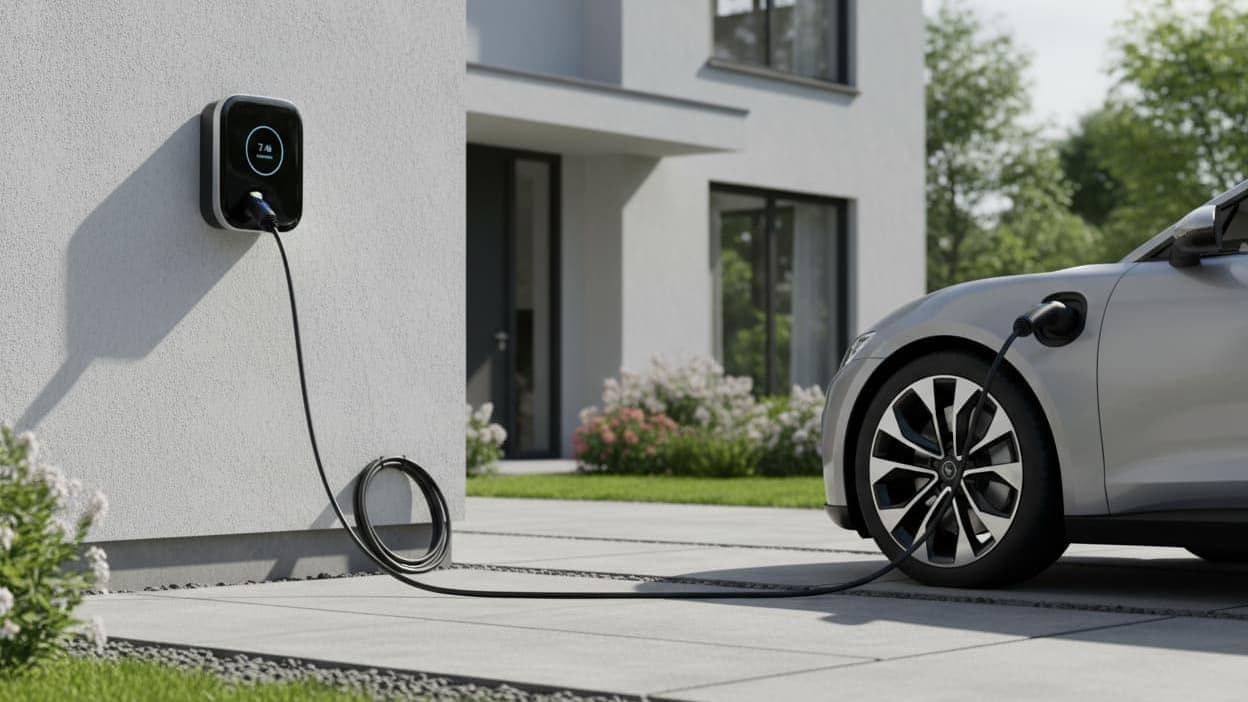
Charging an electric car at home is usually one of the most affordable and convenient ways to keep your EV running. But how much does it actually cost, and how much will it add to your monthly electricity bill?
The answer depends on several factors, including your vehicle's battery size, your electricity tariff, how often you charge and whether you take advantage of cheaper overnight electricity rates.
In this guide, we'll explain the cost of charging an electric car at home in the UK, compare standard and off-peak electricity tariffs, and share practical tips to help you save money.
How Much Does It Cost to Charge an Electric Car at Home in the UK?
The cost of home EV charging depends primarily on the price you pay per kilowatt-hour (kWh) of electricity.
For example, if your electricity costs 26p per kWh and your electric car has a 60kWh battery, charging it from completely empty to full would cost approximately £15.60 before accounting for energy lost during charging.
In practice, some electricity is lost as heat and through the charging process. Assuming approximately 10% charging losses, the total cost would be around £17.33.
Drivers using a cheaper overnight EV electricity tariff could pay significantly less.
For example, at an illustrative off-peak rate of 8p per kWh, charging the same 60kWh battery from empty to full would cost approximately £5.33, including estimated charging losses.
These are example calculations rather than guaranteed electricity prices. Actual costs will depend on your supplier, tariff and vehicle.
Electric Car Charging Costs by Battery Size
Electric vehicles come with different battery capacities. Generally, larger batteries require more electricity to charge, although they may also provide a longer driving range.
Below are some examples of how much it could cost to charge different EV battery sizes at home.
| Battery Size | Standard Tariff (26p/kWh) | Off-Peak Tariff (8p/kWh) |
|---|---|---|
| 40kWh | £11.56 | £3.56 |
| 50kWh | £14.44 | £4.44 |
| 60kWh | £17.33 | £5.33 |
| 75kWh | £21.67 | £6.67 |
| 100kWh | £28.89 | £8.89 |
These calculations assume charging from 0% to 100%, with approximately 10% charging losses.
Most EV owners rarely charge their batteries from completely empty. Instead, they top up regularly, often between 20% and 80%, depending on their driving requirements.
How to Calculate Your Electric Car Charging Cost
You can estimate your home EV charging costs using a simple calculation.
Charging cost = Electricity used (kWh) × Electricity price (£/kWh)
For example, imagine you own an electric car with a 60kWh battery and want to charge it from 20% to 80%.
This means you need to add 36kWh of energy to the battery.
Assuming 90% charging efficiency, you would need approximately 40kWh of electricity from your home supply.
At a standard electricity rate of 26p per kWh, this would cost £10.40.
At an off-peak electricity rate of 8p per kWh, the same charge would cost just £3.20.
This is why choosing the right electricity tariff can make a considerable difference to the running costs of an electric vehicle.
Is It Cheaper to Charge an Electric Car Overnight?
For many UK households, charging an electric car overnight can be significantly cheaper than charging during the day.
Several electricity suppliers offer tariffs designed specifically for electric vehicle owners. These tariffs may provide discounted electricity during certain overnight hours.
A smart EV charger can automatically schedule charging sessions to take advantage of these cheaper periods. As explained in the Energy Saving Trust's guide to smart EV charging (opens in a new tab), smart charging can help drivers reduce their electricity costs by charging when energy is cheaper.
For example, a driver who regularly charges overnight at 8p per kWh could spend considerably less than someone paying a standard household rate of 26p per kWh.
However, it's important to compare the full electricity tariff, not just the advertised overnight rate. Some EV tariffs have higher daytime electricity prices or different standing charges.
How Much Does It Cost to Charge an Electric Car for 100 Miles?
One of the easiest ways to compare electric vehicle running costs is to calculate the electricity needed to travel 100 miles.
For this example, let's assume your electric car achieves an average efficiency of 3.5 miles per kWh.
To travel 100 miles, the vehicle would use approximately 28.6kWh of battery energy.
Allowing for 10% charging losses, you would need to purchase around